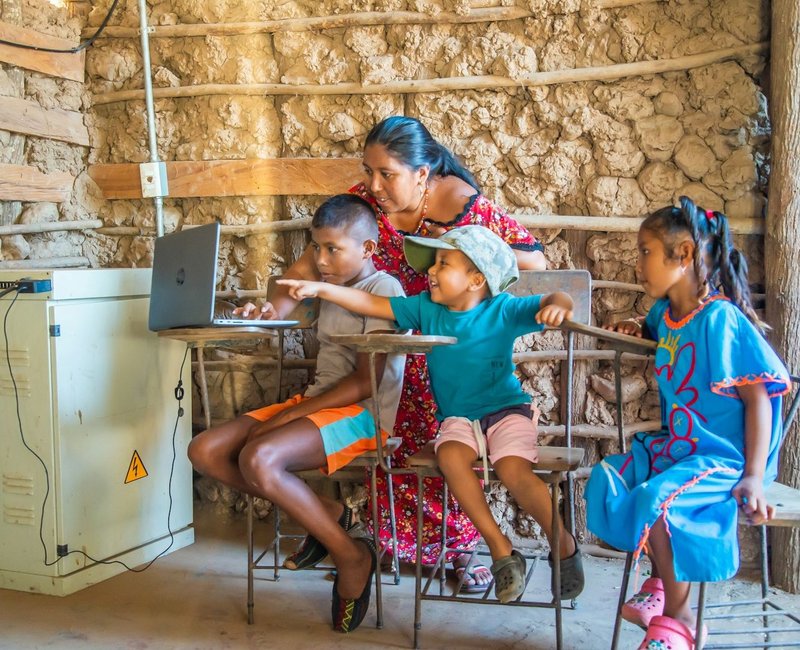
Access Gap
The Digital Access Gap encompasses barriers that prevent individuals from fully benefiting from digital technologies. This gap is a major cause of the digital divide, particularly affecting certain population groups who are unable to access ICTs (Information and Communication Technologies). Socioeconomic inequalities among individuals and regions mean that public funding is not always available to implement the necessary infrastructures for Internet access, and not everyone has sufficient resources to afford the devices and data that enable connectivity.
Globally, nearly 3.6 billion people remain offline, with a significant portion residing in developing countries. In sub-Saharan Africa, only 28% of the population has internet access. In India, 50% of the population still lacks internet connectivity. According to the Pew Research Centre, 44% of adults in households earning less than $30,000 a year in the United States do not have home broadband services. Furthermore, UNESCO reports that only 37% of individuals in low-income countries use the internet, compared to 86% in high-income countries.
Beyond economic constraints, geographical barriers such as a lack of infrastructure in rural areas, educational disparities with limited digital literacy, and technological barriers like outdated devices contribute significantly. Cultural and social factors, including resistance to new technologies and language barriers, as well as policy and regulatory hurdles, further exacerbate the issue.
Mind The Digital Gap is committed to addressing these multifaceted barriers by providing resources, support, and training to create a more inclusive digital world.
Join us in our mission to close the Digital Access Gap and promote digital inclusion for all.